
Competence focus for final AMIP of 2025
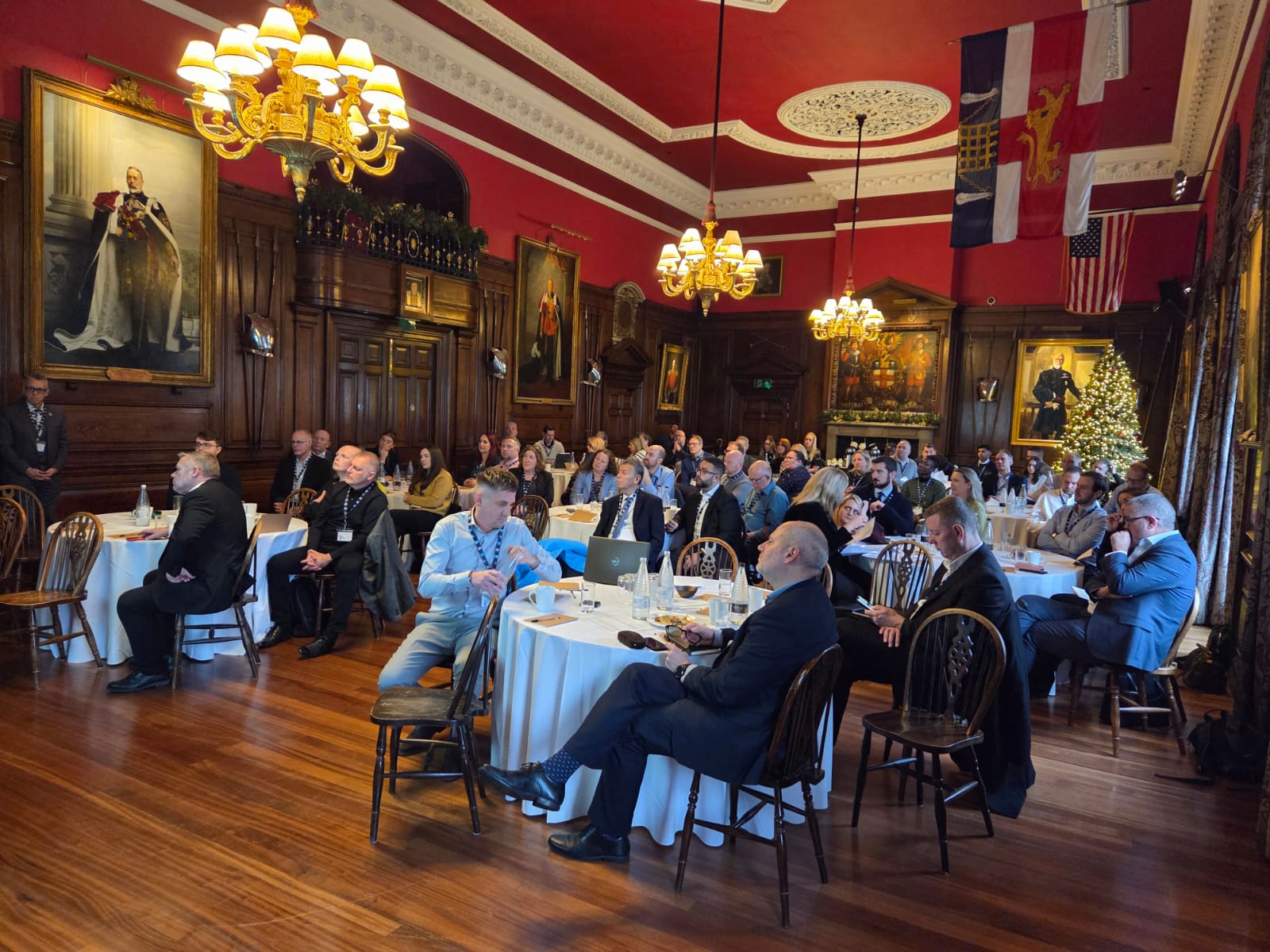
Competence was the focus of the last AMIP forum of the year which took place in the Long Room at the Honourable Artillery Company (HAC), London.
The stellar line up of speakers talked about building a culture where competence, safety and accountability are non-negotiable, with a clear message that skills, knowledge, experience and behaviours aren’t nice to haves, they are fundamental to protecting lives.
Anthony Taylor, Chair of the Building Safety Alliance Ltd, unpacked what competence truly means in the context of the Building Safety Act in a session titled “Individual Competence and the Management of Competence by Organisations.”
Competence is “coming down the rails like an express train,” he said, and is not a nice to have but a legal, ethical and organisational imperative.
Anthony’s presentation explained that the safety of people in the built environment relies on four things working together – good design, suitable materials, sound construction methods, and the skill, knowledge, experience and behaviours of everyone involved. When any one of these fails, consequences can be devastating, he said.

Competence isn’t new
He said that while competence isn’t new, accountability is sharper than ever and with the Building Safety Act, Building Regulations Part 2A, and strengthened duty holder requirements, individuals and organisations must now demonstrate competence, not assume it.
Qualifications alone don’t make you compliant, he explained, skills, knowledge, experience and behaviours such as refusing unsafe work, collaborating effectively, and acting ethically, matter.
He talked about how organisational capability is as important as individual capability and policies, systems, supervision, culture, and leadership must all align to support competent practice, as a competent individual cannot thrive in an incompetent system.
He ran through the competence frameworks for building safety – BS8670 and the PAS standards, and their role in raising and measuring competence for Principal Designers, Principal Contractors, Building Safety Managers and others.
He also set out the Industry Competence Committee’s expectations for industry on competence, covering organisational culture and ethical behaviour and outlined the work of the industry-led task and finish group.
Competence is not a compliance exercise, he said, it’s a moral obligation and it’s something the entire built environment sector must own, collectively and continuously.
Competence and Conduct Standard
Anthony was followed by Helen Francis, Director at Skills Solution Group, who focused on the implementation of the Competence and Conduct Standard and how to develop the culture and behaviours which drive competency and accountability.
She explained that we don’t have enough competent and capable people in the sector, outlining how the Competence & Conduct Standard is reshaping expectations for everyone working in housing, from frontline staff to senior leaders, shifting the focus towards:
- Clear competency frameworks – ensuring staff have the right skills, knowledge, experience and behaviours.
- Professionalisation of housing roles – with mandatory qualifications for senior managers and executives.
- Embedding ethical conduct – integrity, transparency, fairness and resident respect.
Positive behaviours – curiosity, collaboration, problem-solving and resident-centred thinking. - Stronger accountability – evidenced decision-making, clear responsibilities and continuous learning.
This isn’t just for housing officers, she said, contractors, consultants and partners all share the same responsibility to deliver safe, high-quality, respectful services.
Fostering the right culture
She spoke about fostering a culture that prioritises competence and gave the example of the radical culture shift at Ford in 2006, which saw it move away from a culture of fear and blame to one of honesty and openness, turning around the company’s fortunes.
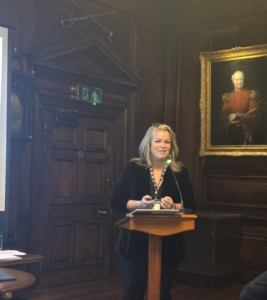
Organisations need to prepare for the implementation of the standard, which will be coming into play in October 2026, through updated policies, skill assessments, leadership development and ongoing CPD.
The wider ripple effect of increased competence is clear, she explained, and raising standards across the whole supply chain will ultimately mean better outcomes and quality services for residents.
“It shouldn’t just be social housing management staff,” she said. “We all have a moral obligation as contractors and consultants to equally do the right thing. We are all in this industry together, and we need to ensure it stays strong, and we need to uphold the Competence and Conduct Standard moving forward”.
Guests were able to take some time out for a networking break which included a talk from HAC House Manager Hamish Green, on the history of the building, and the regiment, which was established by Royal Charter on 25 August 1537.
Strategic partnerships
Adunni Adams, Assistant Director – Development and Sales, Watford Community Housing and Michael Bull, Director, Potter Raper, then took to the stage to talk about strategic partnerships and competence in practice.
Adunni talked about WCH’s experiences with its Herts Beds and Bucks Development Services framework, managed by Pretium Frameworks.
She highlighted how frameworks are more than procurement routes, and how they can be mechanisms for collaboration, efficiency, and shared accountability across the sector.

When using frameworks competence is tested long before a contract is awarded, she explained, with robust framework assessments exposing strengths, weaknesses and capacity.
She urged attendees to be strategic with the frameworks they pursue, as not every opportunity is right for every organisation. “Know your strengths, understand client constraints, and choose wisely,” she said.
Her closing message was that frameworks should create support, not strain, and when used well, they accelerate delivery and elevate competence across the supply chain.
Michael gave a supplier’s perspective on framework use, offering his view on what makes them work in practice.
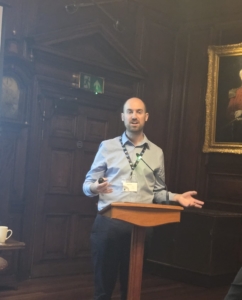
Early contractor engagement is critical, he said, with complex schemes demanding expertise at the earliest stages, not once designs are fixed.
Competence and familiarity build trust, explained Michael, and teams that work together repeatedly develop shared understanding, better communication, and more efficient delivery, with continuous lessons learned keeping frameworks alive.
Knowledge-sharing is the foundation of effective partnership, he concluded, and while frameworks create the environment it is people that create the value.
Embedding sustainable best practice
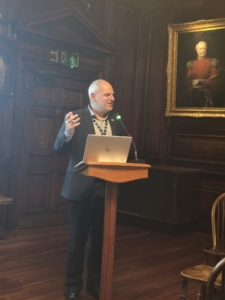
The final presentation of the day was delivered by Andy Prickett, Director UK Head of Residential at AtkinsRéalis, who offered insights on assessing sites for new-build suitability and embedding sustainable best practice.
He highlighted just how critical coordinated, data-driven and resident-focused delivery has become, exploring the real pressures facing the sector including:
- A £90bn+ funding gap to meet net-zero targets
- Skills shortages across retrofit coordinators, designers and installers
- Compliance complexity under PAS2035
- Risks from poor-quality retrofits, condensation and mould
- New climate resilience and ventilation requirements
- Barriers for residents, particularly those with accessibility or digital challenges
Andy showcased how an integrated, end-to-end approach can help providers meet these challenges — from strategy, funding navigation and digital enablement to resident engagement and supply-chain capability building.
Small Site Aggregator model
One standout area was the Small Site Aggregator model, leveraging regional programmes to unlock land value, scale delivery, and bring genuinely affordable, sustainable homes to communities. A smart combination of data, programme governance and modern construction is helping turn small, fragmented sites into meaningful, place-based housing solutions.
He also gave some inspiring real-world examples of programme delivery across building safety, decarbonisation, and public sector estates, which demonstrated what’s possible when governance, data and multi-disciplinary expertise come together.
The overall message was that scaling safe, sustainable homes requires collaboration, innovation and the right technical leadership.
Echelon Group CEO Mathew Baxter wrapped up the day with an overview of what had been covered and a look ahead to the 2026 AMIP calendar.